
Coaching Your Way to Uncommon Leadership
Lessons from Ruchira Chaudhary’s Book Coaching
Coaching Your Way to Uncommon Leadership
Lessons from Ruchira Chaudhary’s Book Coaching
After reading the “The Coaching Habit by Michael Bungay Stanier” I wanted to dwell deep into this topic I picked “Coaching: The Secret Code to Uncommon Leadership is a book by Ruchira Chaudhary”.
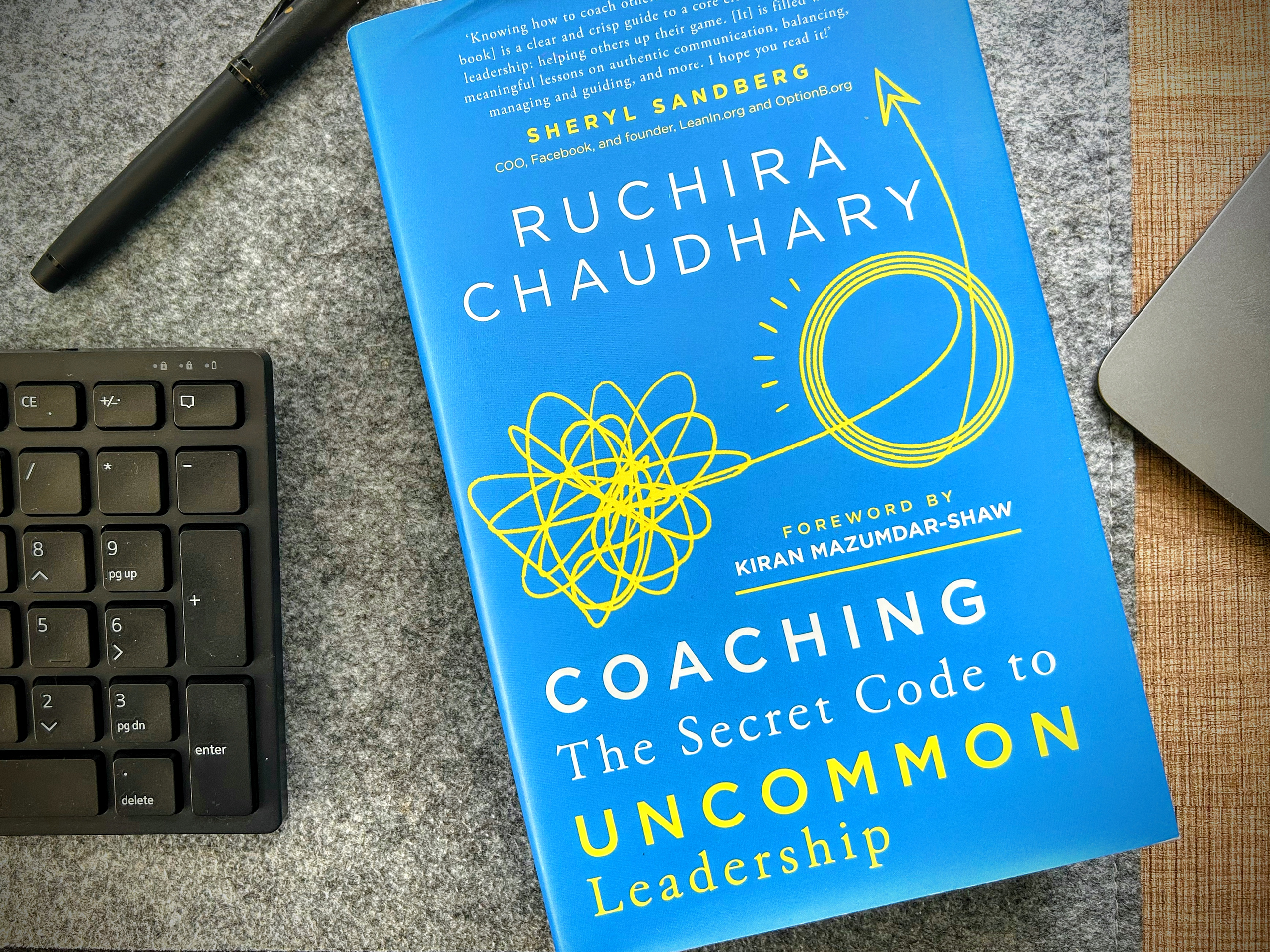
Effective coaching is essential for good leadership today. In her book “Coaching”, Ruchira Chaudhary provides a practical framework for leaders to develop their coaching abilities. She delved into the basics of coaching, its benefits, and the business case for adopting it as a leadership style. She also has explored various coaching models, tools, and techniques, emphasizing that there’s no one-size-fits-all approach. Instead, she advices that each leader must find a coaching style that resonates with their team, striking a balance between being tough and showing love.
Here are some of the key lessons:
The Leadership Crisis
Leadership today faces a crisis. Many leaders operate under a “superchicken model”, assuming star performers will automatically become star leaders. But top talent doesn’t always translate into strong leadership skills. True leadership requires nurturing potential, building capabilities, and developing collaborative skills.
Coaching is no longer just a specialty — it is essential for good leadership. Managers must become coaches to guide their teams to success. However, many fall short as coaches. Coaching is often an afterthought, not a developed skill.
The Cornerstones of Coaching: The 4C+ Model
Effective coaching should target four key outcomes, referred to as the 4C+ model:
- Capability — Developing skills and competencies
- Clarity — Providing direction and priorities
- Confidence — Instilling self-belief to overcome challenges
- Consciousness — Raising self-awareness of strengths and weaknesses
These cornerstones require a foundation of Culture that encourages coaching.
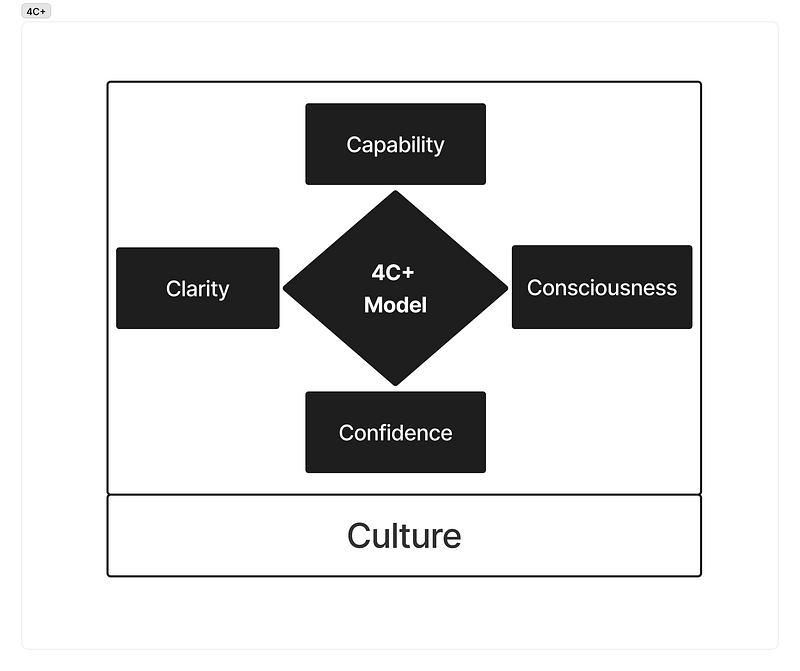
The four cornerstones of Coaching
As a leader-coach, focus coaching conversations on sparking creativity, looking beyond immediate goals, and helping your people “invent” their own career ladders.
Core Coaching Principles
- Consistency — Regular coaching drives results
- Habit — Make coaching a habitual part of leadership
- Continuum — View coaching as an ongoing cycle, not a one-off event
- Customization — Tailor coaching to individual strengths
- Feedback — Provide regular feedback on performance
Coaching Styles
There are many ways to coach. Coaching styles can be categorized along a spectrum from directive (“telling”) to non-directive (“asking”).
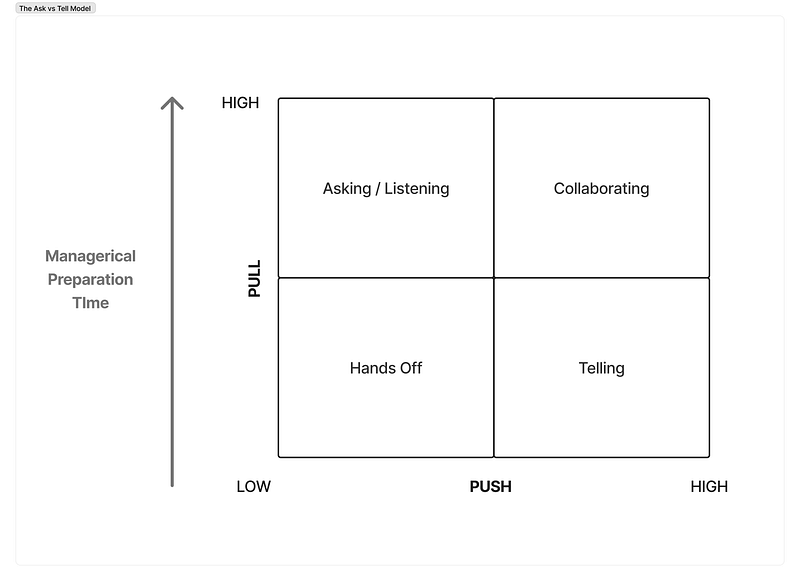
The Ask vs Tell Model
- Telling — Highly directive, focused on instructing
- Asking — Highly non-directive, focused on inquiry
- Collaborating — Balanced approaches that partner with the coachee
- Hands-off — Low involvement in all directions
Find the right balance for your context. Avoid sticking to one rigid style.
The Coaching Construct
Some key principles for effective coaching conversations:
- Build strong relationships and stay connected
- Be curious about their lives and goals
- Blend formal and informal coaching dialogues
- Prepare before each session
- Ask powerful open-ended questions
- Let the coachee find their own solutions
Culture as the Missing Link
Culture and coaching are deeply intertwined. Coaching mindsets are shaped by:
- National and regional norms
- Organizational culture
- Leadership example
- Formal processes and incentives
Leaders should be culturally aware, while increasing the cultural awareness of those they coach. They must also be flexible to adapt their coaching style to fit the cultural context.
Completing the Coaching Equation
To embed coaching, focus on:
Individual → Coaching Skills and Mindset
Organisational → Architecture, Routine and Culture
Organisational coaching capacity [C (M+C)] = Individual coaching skills [C]+ Organisational coaching ARC [ARC]
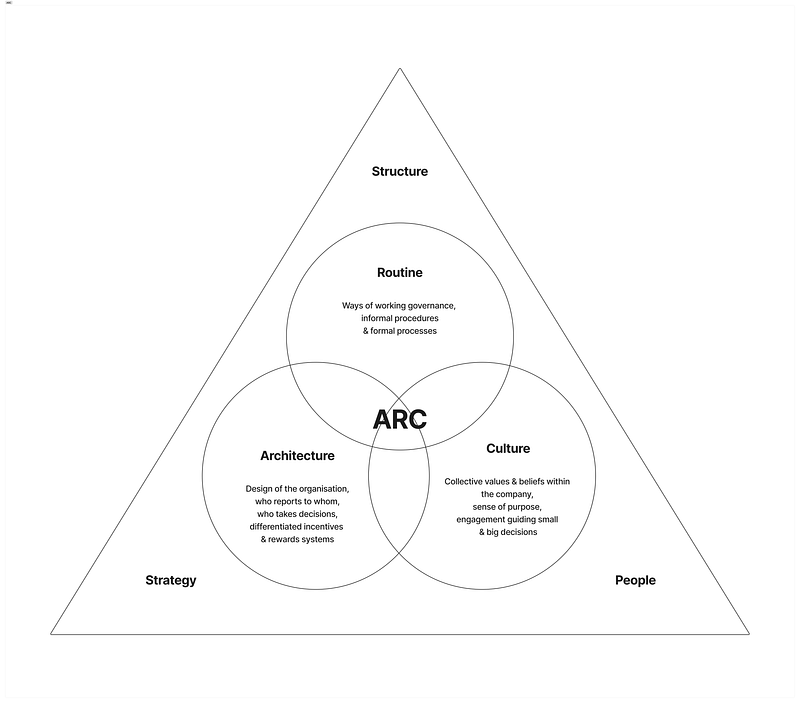
- Develop individual capabilities through training
- Encourage coaching mindsets in leaders
- Architect structures to enable coaching
- Implement coaching-focused routines
- Shape culture via leadership example
Tough Love Coaching
The most effective coaching combines caring and accountability. Leaders must find the right balance of being tough and loving in their approach. Key elements:
- Balancing tough feedback with compassion
- Assertive, not aggressive communication
- Uncompromising standards
- Customising to cultural norms
Crisis Coaching
In turbulent times, leaders must coach through complexity. Critical skills include:
- Communicating with transparency
- Involving teams in decisions
- Breaking down problems
- Keeping teams motivated
- Leveraging networks
Understand team members’ phase in the change process, and adapt your approach accordingly.
Enabling Women Leaders
Coaching women leaders follows the same goals, but may require tailored approaches:
- Build confidence
- Create safe spaces for risk taking
- Recognize unconscious biases
- Make connections, visibility, and sponsorship a priority
Collaboration with External Coaches
External coaches play a key role in developing senior leaders by providing unbiased guidance. Focus on:
- Coaching senior executives
- Supporting transitions
- Coaching the coaches
Ensure leaders are ready to be coached and give them input on selecting their coach.
The Master Code
Follow these coaching principles to become an uncommon leader — one who engages, empowers, and elevates their team to new heights.
Coaching is a powerful tool for leaders, but it’s not about telling or instructing. It’s about asking the right questions, listening actively, and allowing individuals to find their solutions.